
CHINESE WEDDING TRADITIONS 101: WHAT EVERY MODERN COUPLE SHOULD KNOW
Updated: Jul 30

A modern guide to meaningful customs and how to make them yours.
Planning a wedding rooted in Chinese culture doesn’t mean blindly following old rules. It means celebrating timeless values — respect, gratitude, and family — while honouring your journey as a modern couple. Here’s a simplified breakdown of the most cherished traditions, presented in chronological order, along with updates for 2026 couples.
📅 1. Choosing an Auspicious Date
What it is: Before anything else, many families consult a Chinese almanac or Ba Zi practitioner to pick a wedding date that aligns with both partners’ birth data.
Why it matters: The date sets the tone for the entire wedding and often influences booking venues, solemniser slots, and key vendors.
🧠 Modern tip: Many couples blend tradition with practicality — e.g., selecting a weekend date that’s also considered lucky.
🎁 2. Guo Da Li 过大礼 — The Betrothal Gift Exchange
When: Around 2–4 weeks before the wedding.
What it is: A ceremonial exchange where the groom’s family delivers symbolic gifts to the bride’s family to formalise the engagement.
📦 What’s Included in the Gift Basket
📌 Note: Every dialect group has its own version. Items may differ slightly between Hokkien, Teochew, Cantonese, or Hainanese traditions — but the meaning remains: a show of sincerity, respect, and goodwill.
Common items:
Red packets (聘金) with betrothal money
Traditional pastries or cakes
Wine or liquor
New red bedsheets and bedding (symbolising a fresh start)
A sewing kit (readiness & diligence)
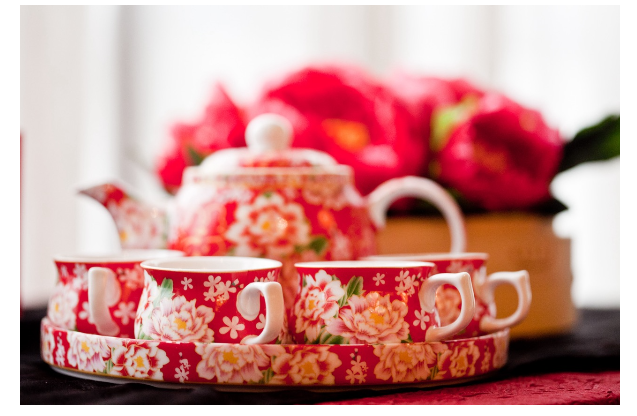
Tea set (to be used during the tea ceremony)
Everyday items like basins, slippers, or household goods
Red packet for 返礼 (return gift from the bride’s side)
🎯 Modern update: Some families simplify with practical gifts like store vouchers, upgraded bed sets, or even a curated symbolic box — while still keeping the ritual's heartfelt essence.

🧧 💍 3. Jia Zhuang (嫁妆) — The Bride’s Dowry
Traditionally, the bride’s side prepares a dowry box. This gesture signals the bride's family's support and readiness to bless the new union. Inside, you'll find items symbolising prosperity, care, and new beginnings — often a mix of jewellery, everyday items, and practical goods.
💡 Common dowry items include:
Gold bangles or Si Dian Jin (四点金)
New bedsheets and bedding
A sewing kit or toiletries
Slippers, basins, or mini home essentials
Red packets for the groom’s side to return as “返礼”
📌 Note: Every dialect group has its own variation. The items may differ slightly for Hokkien, Teochew, Cantonese, or Hainanese weddings — but the meaning remains: a show of respect and goodwill.
🛏️ 4. An Chuang 安床 — The Bed Setting Ritual
When: 1–3 days before the wedding.
What it is: A quiet but meaningful ritual where the couple’s bed is set up and “blessed” to invite harmony, fertility, and marital bliss.
What’s involved:
New red bedsheets (avoid black or white)
Red packets placed under pillows
Dried longan, red dates, lotus seeds, peanuts (symbolising children and sweetness)
Oranges on each bedside for prosperity
Optional: Stuffed baby dolls for fertility

Who performs it: Ideally someone with a "good life" — such as a happily married elder with healthy children.
💡 Modern approach: Some couples simplify by doing this themselves with guidance, especially when moving into a new home or if elders are unavailable.
🧼 5. Hair Combing Ceremony 上头
When: The night before, or morning of the wedding.
What it means: A coming-of-age ritual done by the parent or elder — symbolising blessing, fertility, and a smooth transition into marriage.
Steps: The elder combs the bride/groom’s hair 4 times while reciting blessings such as: “一梳梳到尾,二梳百年好合…”
🌙 Modern couples may skip or adapt this, but many keep it for its emotional value — especially with parental involvement.
🚪 6. Gatecrash & Fetching the Bride 接新娘
What it is: The groom and his entourage arrive at the bride’s home, often facing playful “door games” before receiving permission to “fetch” the bride.
🥚 It’s meant to symbolise the groom’s sincerity and willingness to overcome obstacles for love — in a light-hearted way.

🍵 7. Chinese Tea Ceremony 敬茶 — A Moment of Gratitude
When: Often done after the gatecrash or solemnisation.
What it is: The couple kneels or bows while serving tea to their elders, starting with the groom’s side, followed by the bride’s. Elders bless the couple and present red packets or jewellery.
What You’ll Need:
A tea set (ideally the one from Guo Da Li)
Longan/red date sweet tea
A space for the elders to sit comfortably
A clear serving order
🎁 Tip: Coordinate attire, seating, and a brief rundown for both sides. Our Tea Ceremony Styling & Setup Service helps make this moment smooth and meaningful.
👘 8. Traditional Wedding Attire & Symbolism
❤️ Why Red?
Red represents happiness, success, and protection — making it the go-to colour for weddings.

🐉 The Dragon & Phoenix
They symbolise balance and harmony. You’ll often find them intricately embroidered on:
These timeless classics are still favoured by modern couples — with updated tailoring and fabric that offer comfort without compromising heritage.
✨ Modern Update:
For couples seeking a modern twist, our Chino Collection offers lighter, contemporary silhouettes inspired by tradition — perfect for pre-wedding shoots, solemnization, or second looks.
We also recommend complementary, not identical, styling for the couple: Think red Qun Kua paired with a deep blue Ma Kua, tied together by embroidery elements for a sophisticated colour play.
💡 FAQ: Chinese Wedding Traditions for Modern Couples
Q1: Do we need to follow every tradition?
Not at all. Focus on the ones that feel meaningful to you and your families. Most couples now do a blend of classic and simplified traditions.
Q2: How early should we start preparing for these customs?
Start exploring traditions at least 4–6 months before the wedding, especially for booking Guo Da Li items, outfits, and vendors like stylists or photographers.
Q3: Can we hold the tea ceremony at the banquet or venue?
Yes — many do. Just ensure both sets of parents are comfortable with the arrangement, and you allocate time for it in your wedding day flow.
Q4: What should we wear for the tea ceremony?
Brides often wear the Qun Kua, while grooms wear the Ma Kua. Our Chino Collection is great for those seeking a lighter or less traditional feel — without losing cultural touchpoints.
Q5: What is the purpose of An Chuang?
It blesses the couple’s future with harmony, children, and good fortune — like giving your bedroom a cultural “energy cleanse” before married life begins.
🧨 Wrapping Up: Culture, But Make It Yours
Chinese wedding traditions aren’t rigid rules — they’re threads that connect you to generations past. When done with heart (and a bit of style), they transform your wedding into something timeless.
Let us help you blend tradition with taste — and create a wedding that truly feels like you.
📍 Book your appointment today at The Red Wedding 📲 Or WhatsApp us at +65 9843 5577 if you have any questions.


Comments